Small-Sided Games for Soccer
Small-sided games put players in real match situations with far more touches, decisions and goals than an 11v11 scrimmage. They are the best way to finish a practice and the easiest way to make a theme from earlier in the session stick.
The games below range from a simple 4v4 to mini goals to games with goalkeepers and wide channels. Each is animated so you can see the area, the teams and the rules in action.
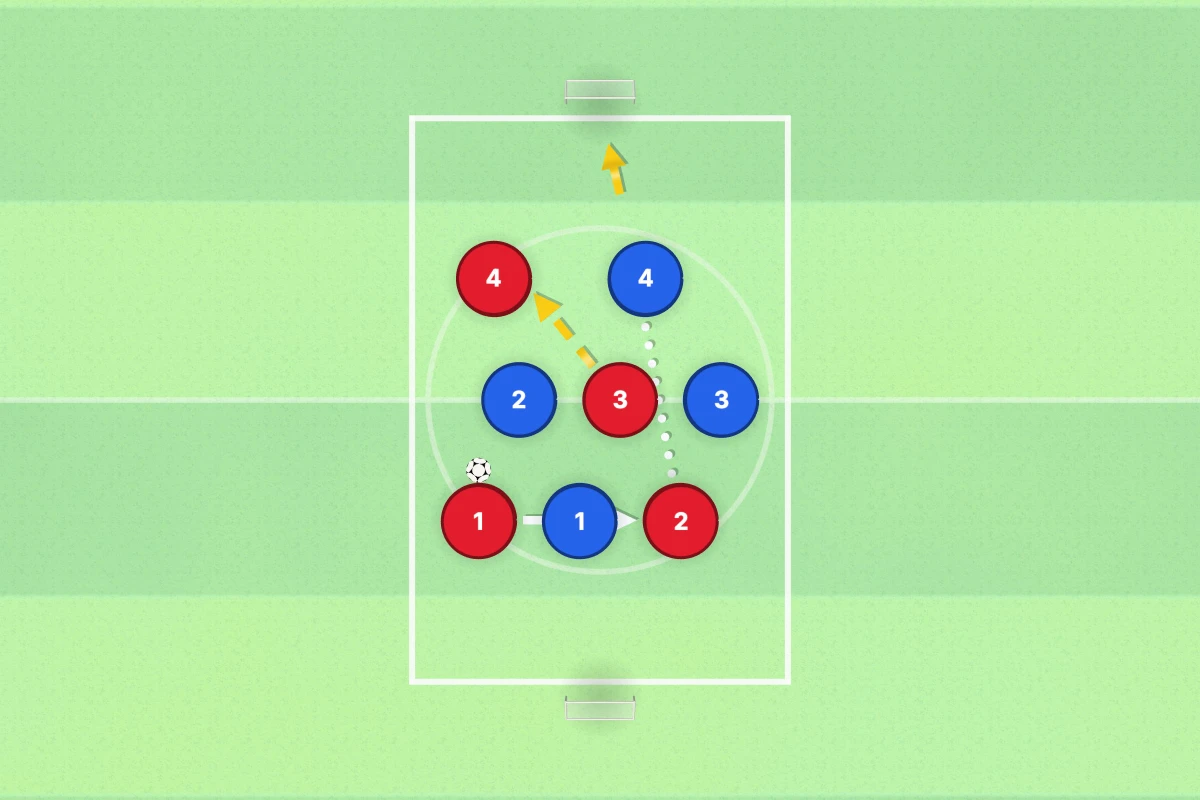
Small Sided Games: 4v4 to Mini Goals
A small-sided game to a mini goal at each end.
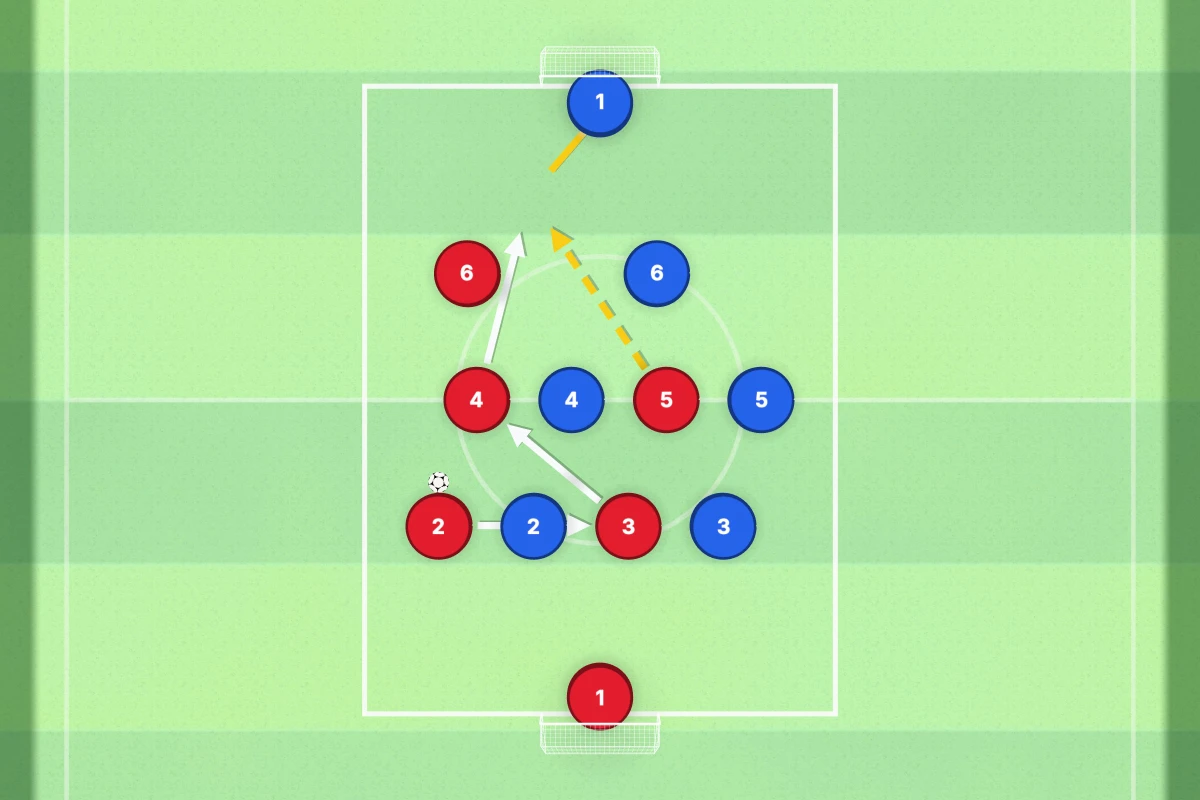
Small Sided Game with Goalkeepers (5v5)
A game with keepers and full-size goals, to finish the session.
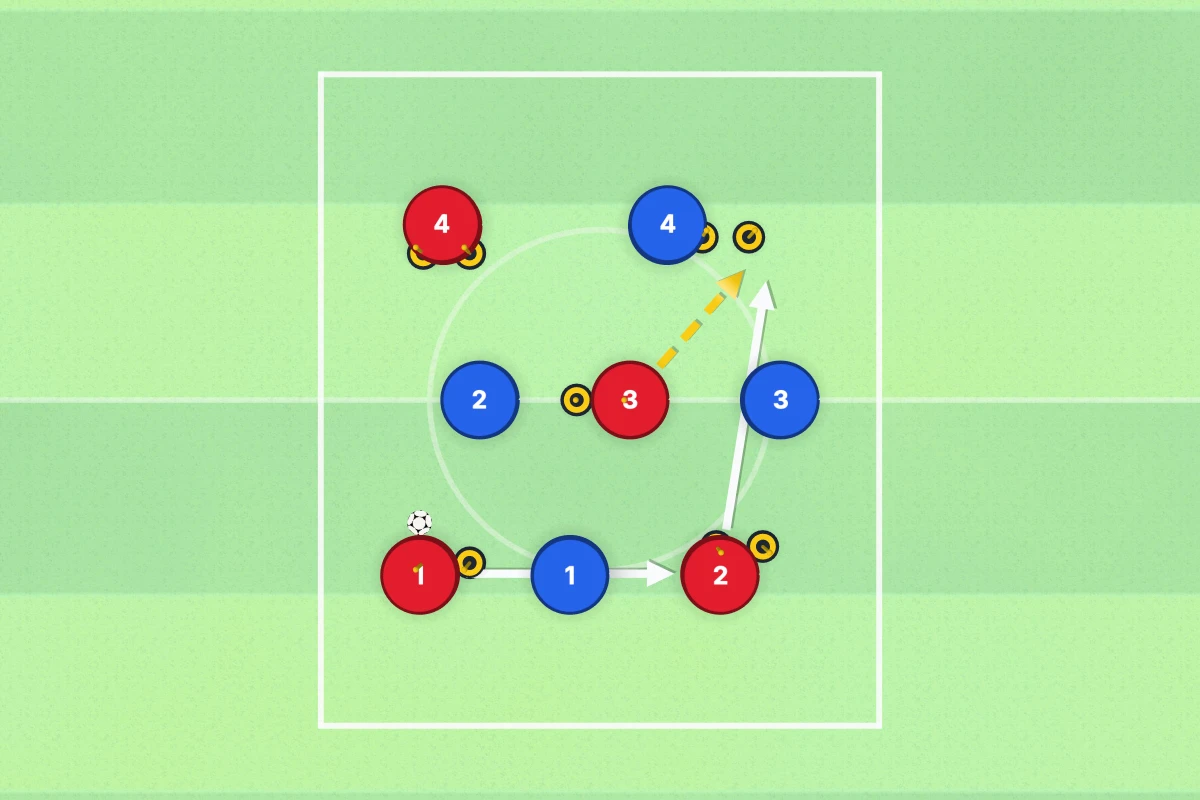
Gates Passing Game for Soccer
Score by passing through a gate to a teammate on the other side.
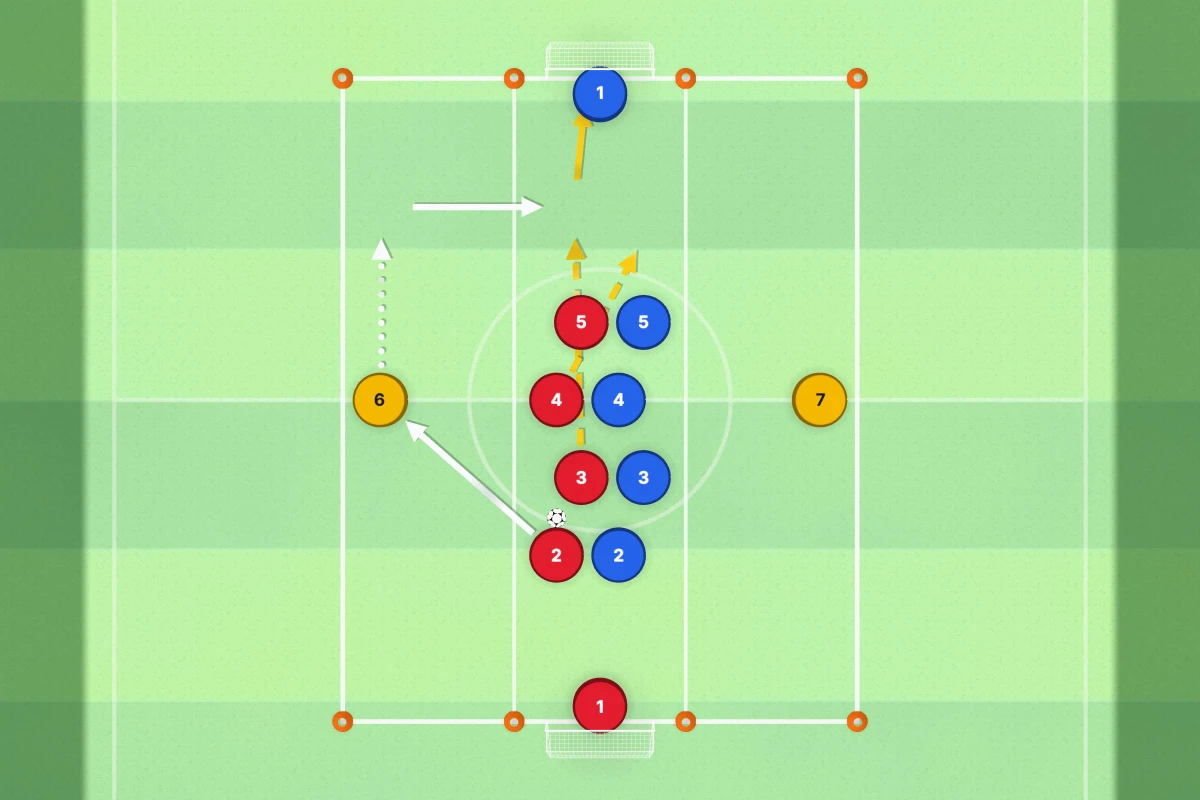
Wide Channels Game: Soccer Wide Play Drill
Wide neutrals in their own channels help the team in possession get round the defence.
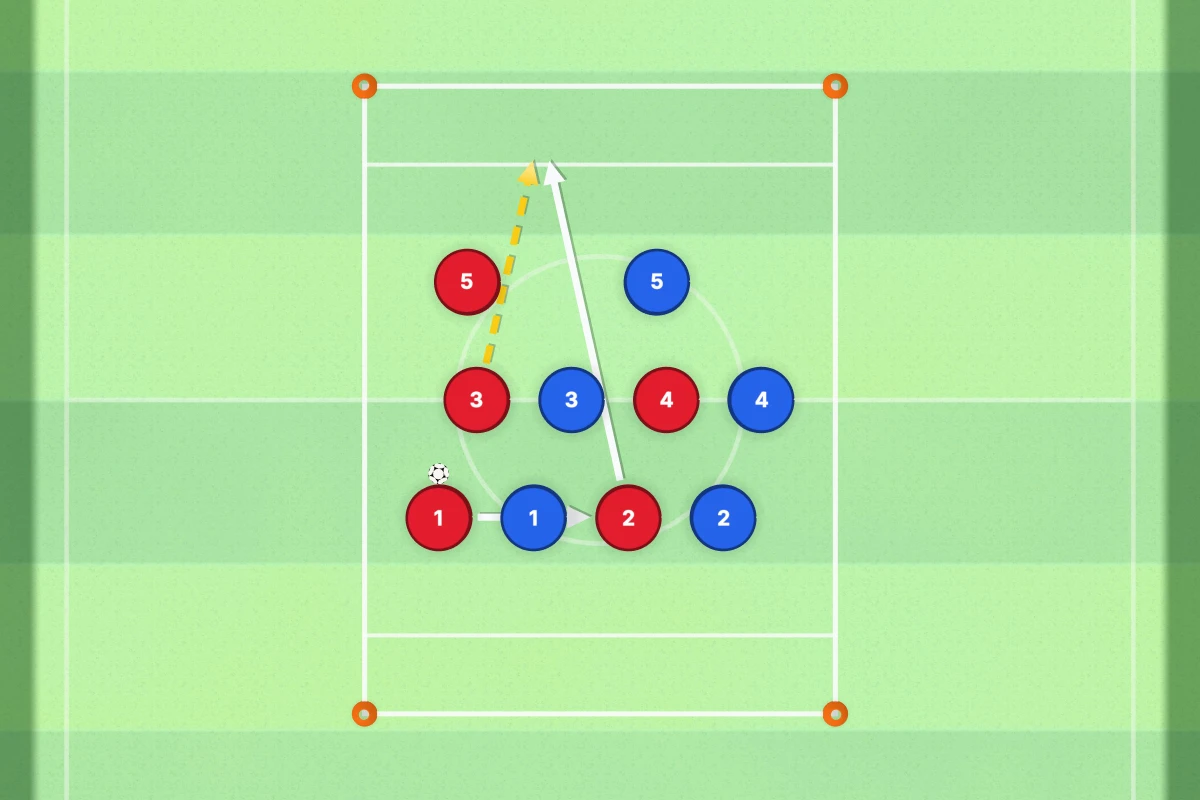
End Zone Game for Soccer
Score by receiving a pass in the end zone you attack.
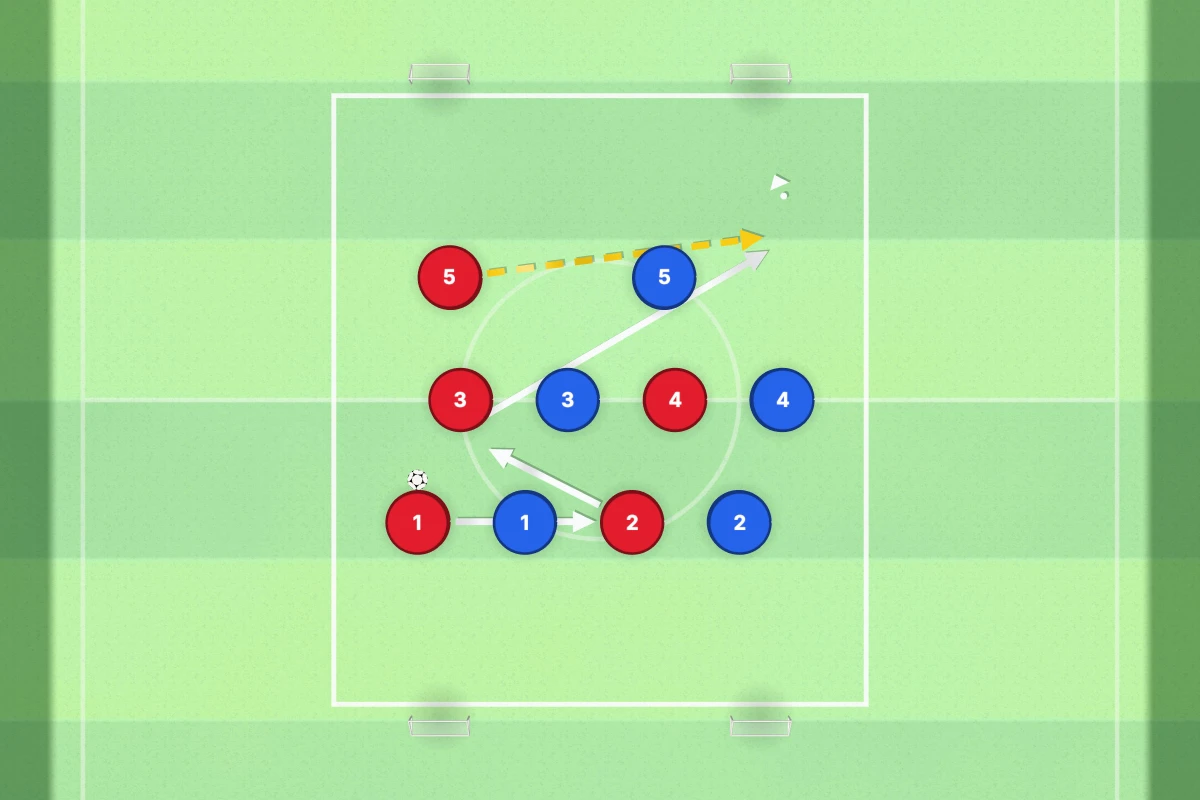
Switching Play Drill: Four-Goal Game
Two mini goals at each end: draw the defence to one, then switch to the other.
Coaching tips
- Keep teams small, usually 3v3 to 6v6, so everyone stays involved.
- Use the rules to bring out your session theme, for example extra points for a goal after a switch of play.
- Rest players between games; short, intense games beat long, tired ones.
- Let the game teach: step in to coach, then let it run.
Turn these drills into a session
Add any drill to the free session planner with one click: it arrives with its diagram, setup and coaching points, ready to print as a PDF. To change the numbers or animate your own version, open it in DrawTactics.
Open the free session plannerFAQ
Why use small-sided games in soccer practice?
Small-sided games give every player more touches, more decisions and more goal chances than large games, while still looking like real soccer. They are also the most fun part of practice for most players.
What size should a small-sided game field be?
A rough guide is 20 to 30 metres long for 3v3 or 4v4, and 35 to 45 metres for 5v5 or 6v6. Make it bigger to help the attackers, smaller to help the defenders.